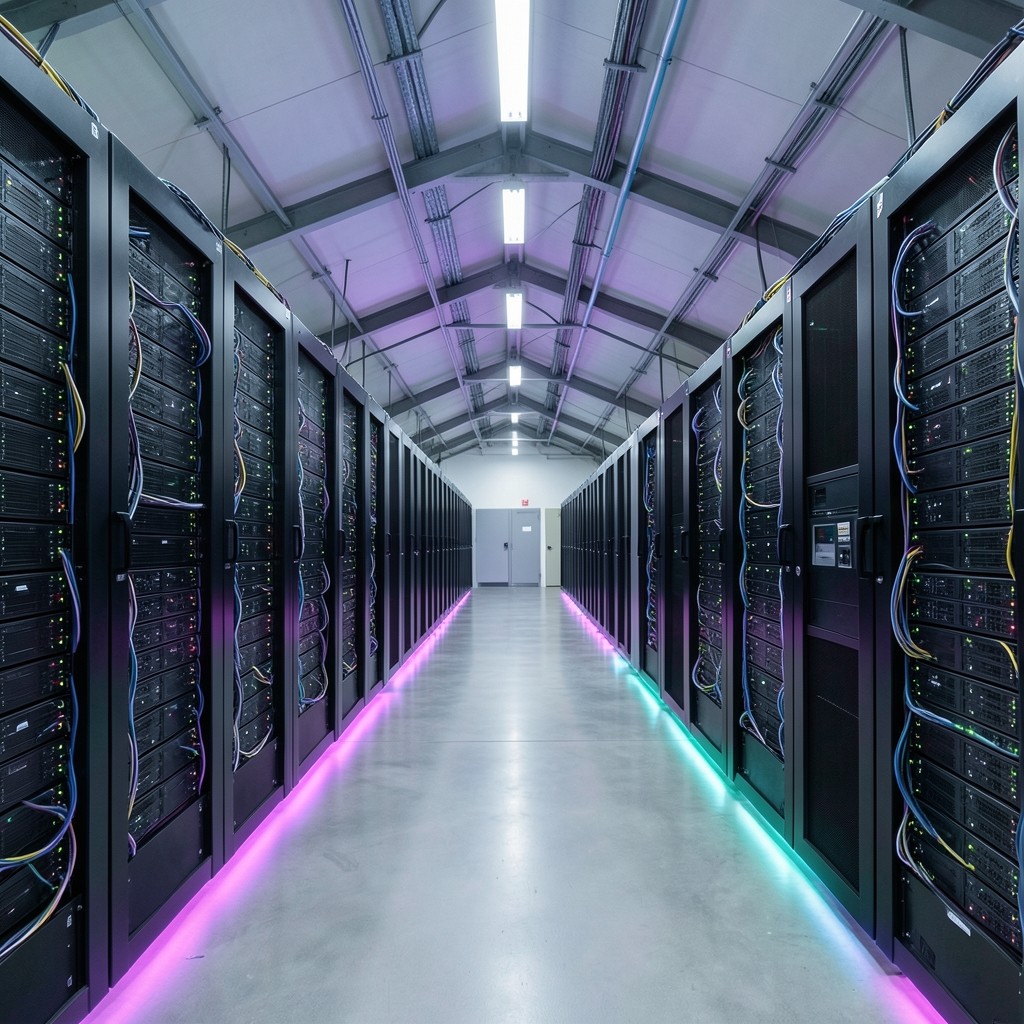
Validators are the backbone of Solana. They run specialised software that receives transactions, orders them, and proposes blocks for other validators to confirm.
The validator’s job
Each validator maintains a copy of the ledger and votes on which blocks are valid. The network uses a combination of Proof of Stake (economic security through staked SOL) and Proof of History (efficient timestamping) to reach agreement quickly.
Why stake matters
Validators lock up SOL as stake. Misbehaviour can result in slashing — loss of staked funds. This economic penalty aligns incentives with honest operation. Delegators (people who stake to a validator without running hardware) share reward and risk proportionally.
Choosing a validator
Public dashboards show uptime, commission rates, and stake distribution. Higher commission means the validator keeps more of the rewards. Low uptime means missed earnings and potential network contribution issues. Decentralisation advocates often delegate to smaller validators to spread stake.
Hardware and connectivity
Running a validator requires reliable servers, fast internet, and operational expertise. Most token holders delegate rather than run their own.
Outages and recovery
Solana has experienced network halts. Validators coordinate restarts through public channels. Understanding this history helps set realistic expectations about any blockchain’s resilience.
Continue to staking basics.